DOMAIN 10
Chants, Paritta & Buddhist Texts
The chants most familiar in Thailand, read line by line — what each is actually recounting, which layer of the canon it comes from, and how chanting with understanding differs from chanting by rote.
7 topics · 20 insights
Key questions
- Whose story is the chant we have recited all our lives actually telling?
- Which lines are in the Pali Canon, and which were composed later?
Every topic in this domain
7
Bāhuṃ (Jayamaṅgala Gāthā)
The Bāhuṃ recounts the Buddha's eight victories. Each verse has its own story and its own adversary, and not one of them is won by force.
Chinabanchorn
Chinabanchorn is among the most widely recited chants in Thailand, yet many who recite it have never been told whom each line is placing where — or which layer of the tradition the text itself comes from.
Bojjhaṅga Paritta
The chant Thais recite for the sick comes directly from an episode in the Pali Canon, and its content is the seven factors of awakening — not a healing spell.
Mora Paritta & Other Parittas
Key Suttas
Chanting with Understanding
Chanting with understanding turns recitation from ritual into study, and it is often the point at which someone moves from chanting to taking the teaching itself seriously.
The Pali Canon, Later Texts & Textual Provenance
The lines we recite and cite every day do not all come from the same layer. Knowing what is in the Canon, what is in the commentaries and what was composed later is a separate question from whether one has faith in it.
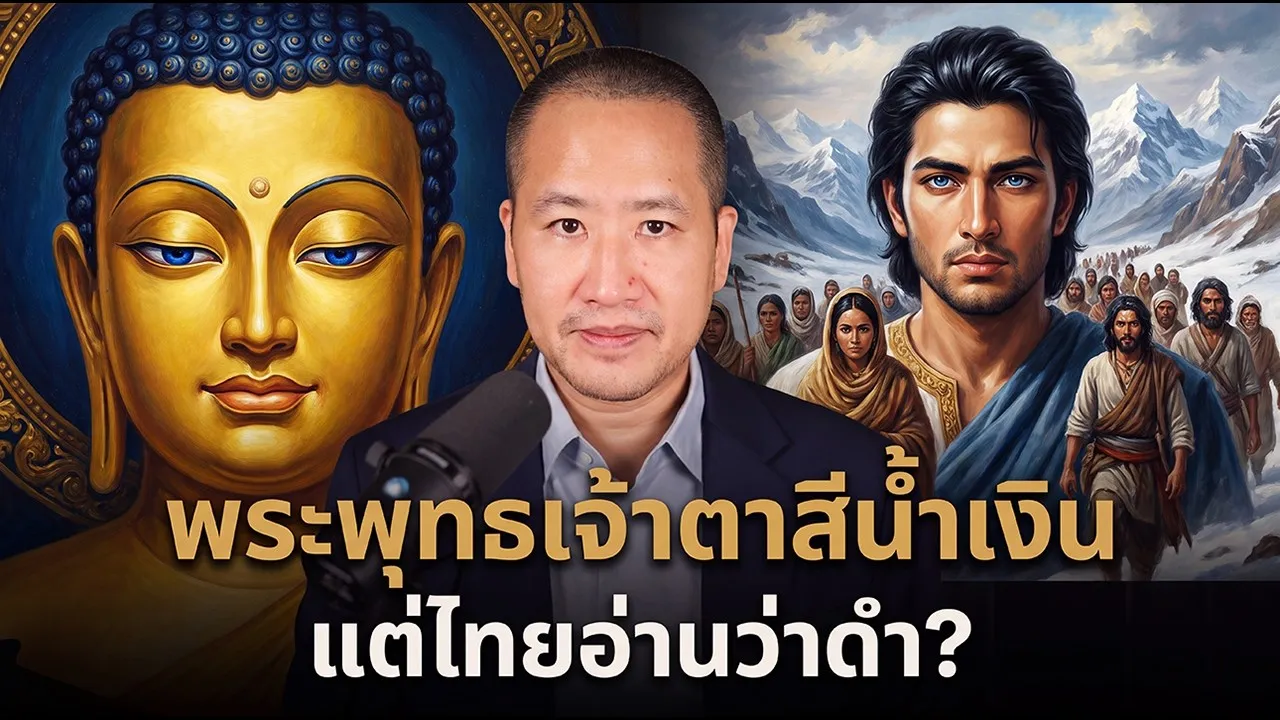
The Buddha’s blue eyes — the evidence, laid side by side
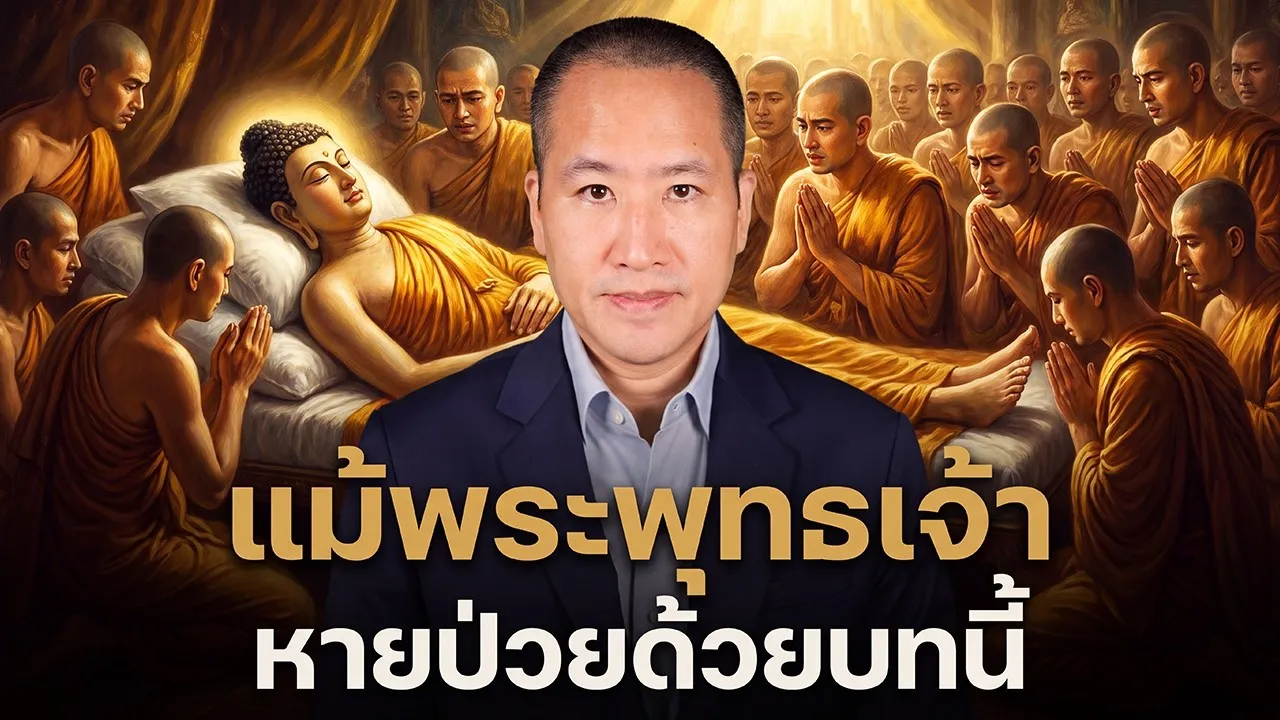
The chant the Buddha himself recovered from hearing — the seven factors of awakening
สวดมนต์บทไหนดี?
How to chant the Jinapañjara so it actually works
Did the Buddha humble a “supreme god” who had gone astray? The deeper meaning of the final Bāhuṃ verse
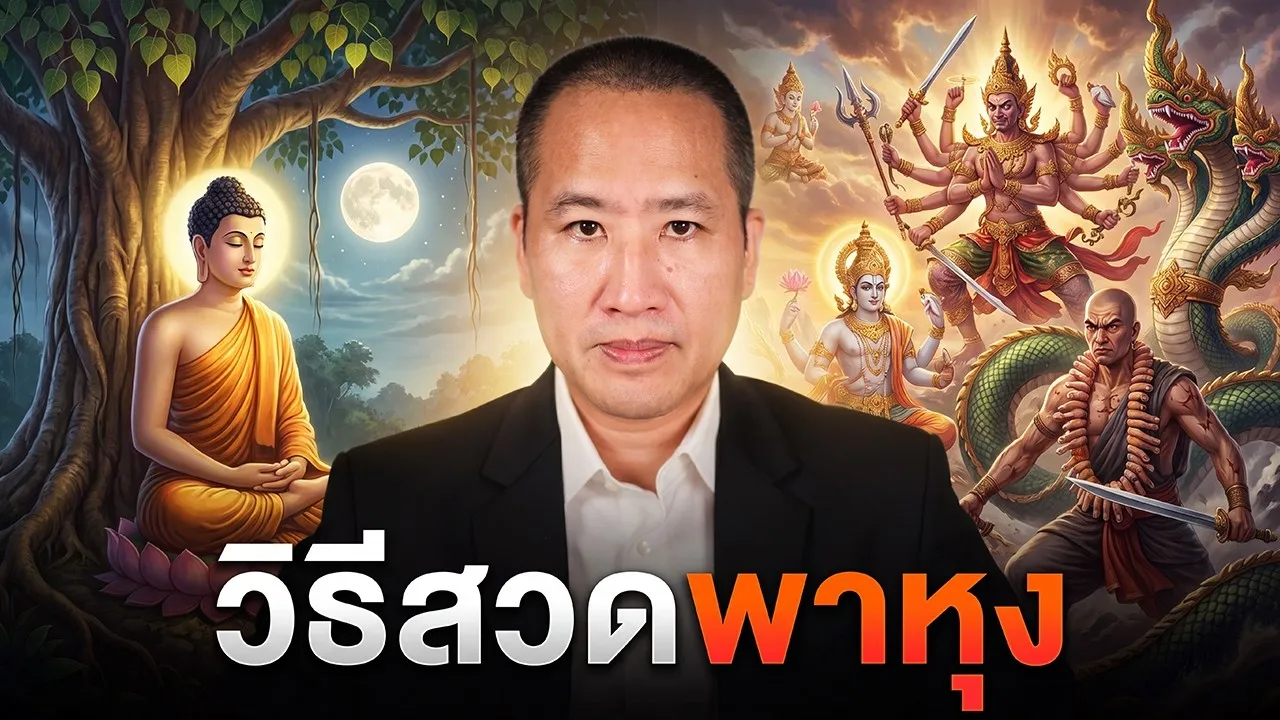
Bāhuṃ is not merely a chant for blessings: the Buddha’s eight victories, which you can win too
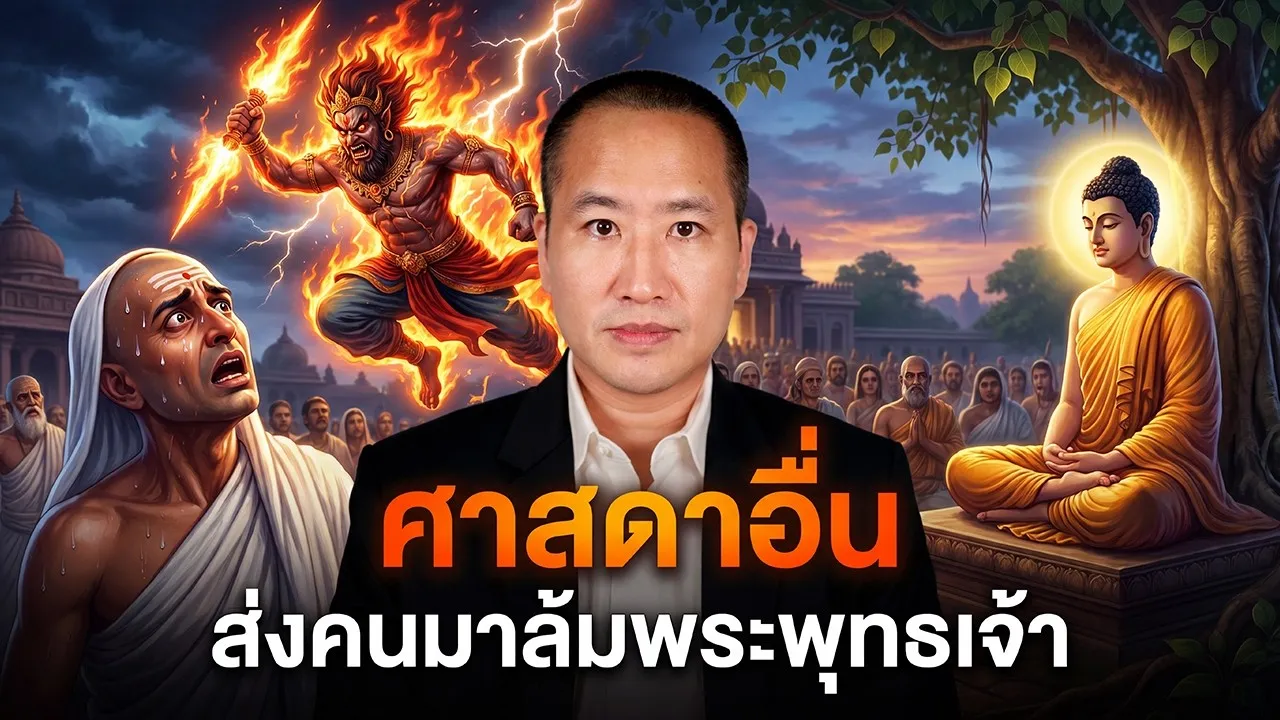
The Jain teacher sent someone to defeat the Buddha — and lost to a single question. Bāhuṃ, verse six